Benefits of Using High-Quality Refractory Materials
Refractory materials are like unsung heroes in the industrial sector. Their significant contribution goes largely unnoticed. Particularly in high-heat sectors such as steel and glass manufacturing, refractory materials are essential components in production operations.
In other words, refractory materials are highly heat resistant and are therefore used in industries that use high temperatures in their manufacturing processes.
So, what are the benefits of refractory materials for high temperature industries?
Thermal protection
One of the benefits of refractory materials is that it provides thermal protection for industries that require the use of high temperatures in manufacturing processes. For example, the steel industry uses high temperatures to make steel and its alloys. Have you ever wondered how the high-temperature processes operate without damaging equipment? Well, we use refractory materials like heat resistant insulating cement to line the surface of kilns and also furnaces to protect them from high temperatures.
Improved efficiency
Refractory materials like high-temperature calcium silicate boards can help to prevent heat loss thereby contributing to maintaining optimal temperatures. You use refractory bricks to line the surfaces of furnaces. They are highly temperate resistant, allowing industries to operate smoothly without damaging equipment and also without causing harm to workers.
Enhanced equipment durability
Equipment subject to prolonged high-temperature conditions can reduce its lifespan. However, with refractory materials, it is possible to protect the equipment from high temperatures and improve the lifespan of the equipment.
Improved product quality
Refractory linings like ceramic blankets, refractory castables and also high resistant insulating cement contribute to maintaining product quality. Industries like glass and also steel use high temperatures in their manufacturing processes. Therefore, one of the benefits of using top-quality refractory materials is that it contributes to maintaining product quality. It effectively maintains high temperatures without damaging the manufacturing equipment. However, always trust only the best refractory castable dealer in Bahrain.
Durable
Refractory materials like refractory mortar, refractory castables and also ceramic blankets are durable and have a long lifespan.
Cost efficient solutions
Refractory materials are known for their durability and also cost-effectiveness. Invest in refractory castables only from a trusted dealer of refractory material in Bahrain. Substandard refractory material can not only affect the quality of the products but may also result in high maintenance costs.
Types of refractory materials
As previously stated, industries use refractory material to line surfaces and equipment that come into contact with extreme heat.
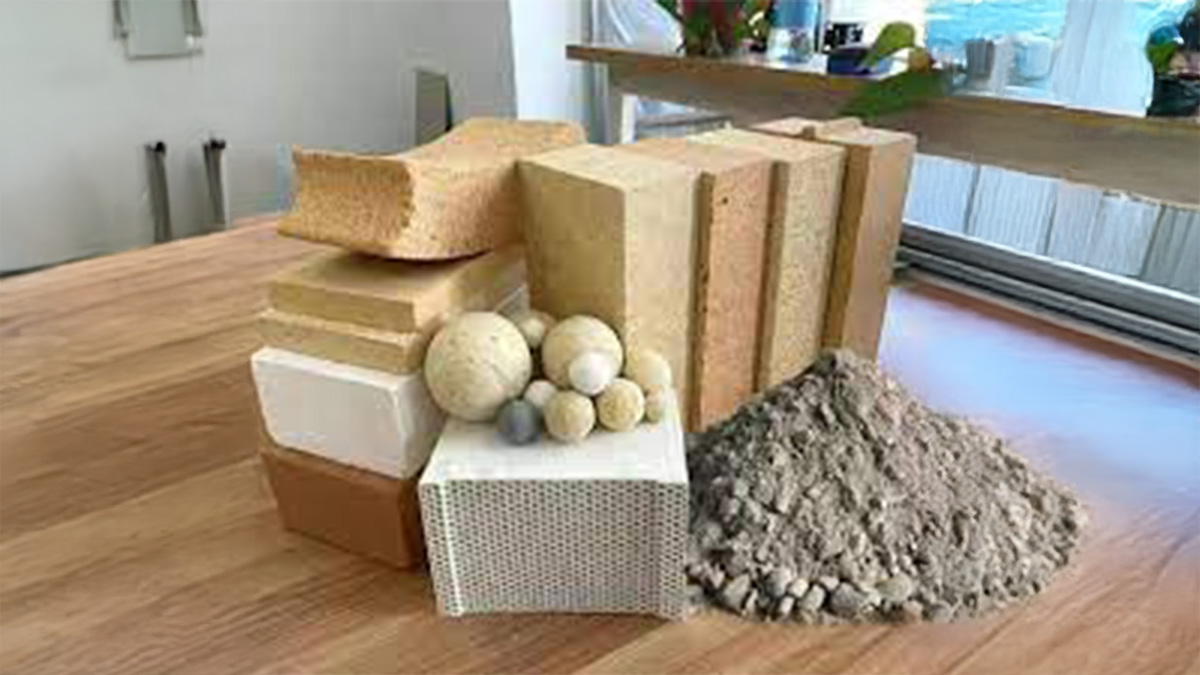
- Ceramic blankets
People use ceramic blankets in boiler installations or for nuclear insulation. They are made of ceramic fibers like aluminum silicate and provide effective thermal insulation.
- Refractory bricks
Constructing industrial buildings with refractory bricks provides safety to workers.
- High resistant insulating cement and refractory castables
Refractor cement and castables are used to line the surfaces of incinerators and also furnaces.
- High temperature calcium silicate board:
People use calcium silicate boards in the construction of wall partitions and also false ceilings.
Durable refractory materials in Bahrain
Indmar Trading is a leading company for quality refractory material in Bahrain. From refractory bricks and refractory mortar to calcium silicate hysil blocks and also ceramic blankets, we offer a range of high temperature resistant refractory materials for industries in Bahrain. Indmar is a reliable industry leader supplying top-quality refractory materials in Bahrain.